The Dangers of Artificial Sweeteners: How Diet Products Are Fueling Chronic Diseases
Joseph M Salvani
Published on October 20, 2026
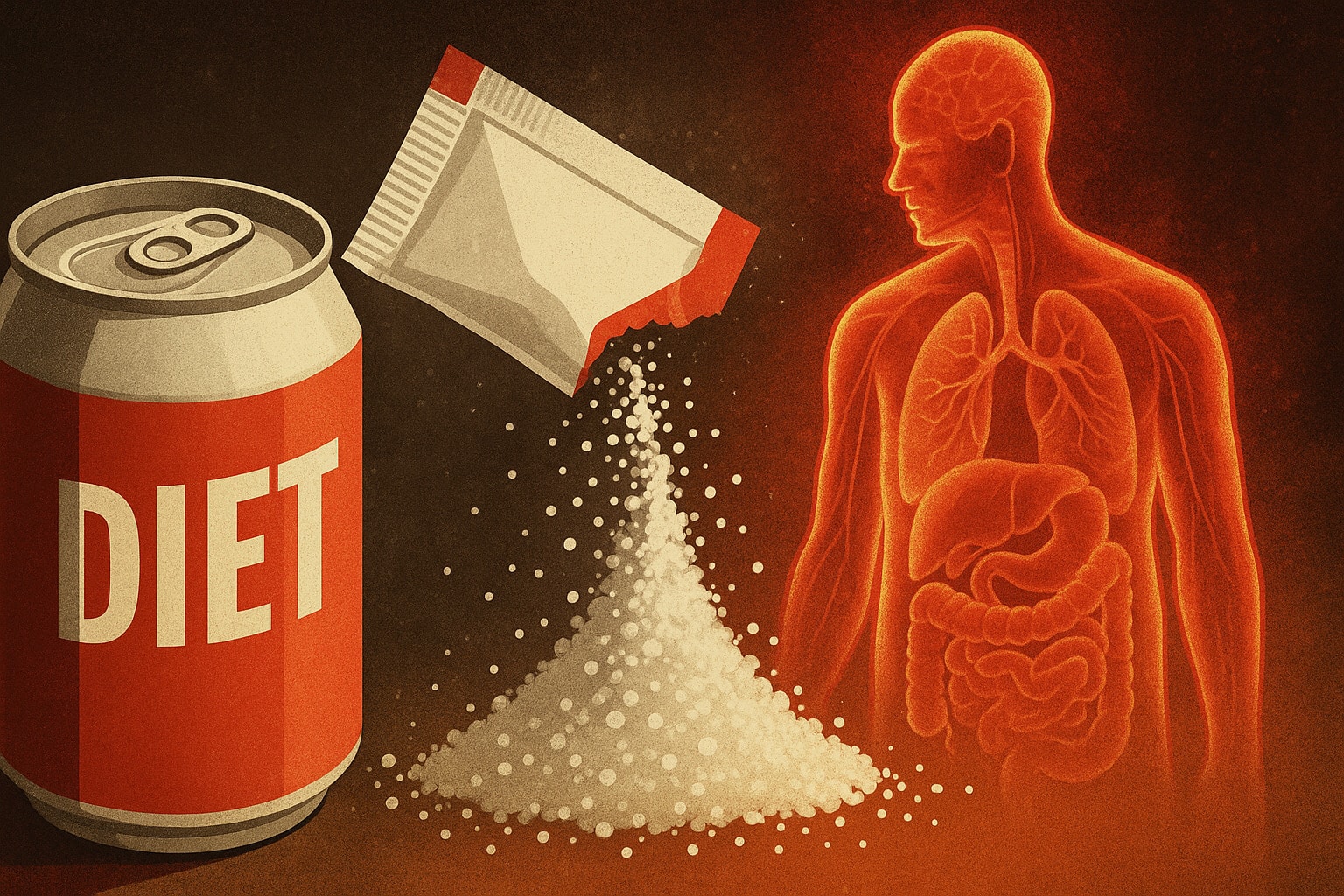
For decades, artificial sweeteners like aspartame and sucralose have been marketed as saviors in the fight against obesity, diabetes, and other metabolic diseases. With promises of zero calories and the ability to curb sugar cravings, these sweeteners have been embraced by consumers seeking healthier alternatives to sugar. But what if these "solutions" are not just ineffective, but actually contributing to a cascade of chronic diseases?
While initially popular among educated White Americans in the 1980s and 1990s, artificial sweeteners have now found their way into the diets of millions across Black, Asian American, Latin American, and South American populations. This shift has led to alarming health consequences, particularly in genetically vulnerable communities. This editorial explores how products designed to tackle metabolic problems are instead amplifying health disparities, with a special focus on non-White populations and younger generations in Latin America and Asia.
The Rise of Sugar Substitutes: A Timeline of Health Crises
In 1981, aspartame gained FDA approval and quickly became the go-to sweetener for diet sodas and sugar-free products. It was marketed as a solution to the obesity epidemic that had begun to take hold in the United States. However, by the turn of the century, the rates of obesity and diabetes among White Americans had skyrocketed, despite widespread aspartame consumption. Obesity rates among White Americans increased from 15% in 1980 to 31% by 2000, and rates of type 2 diabetes doubled during this period, particularly among those carrying the TT/TC alleles of the SOD2 gene, which impairs their ability to neutralize oxidative stress caused by artificial sweeteners.
In 1999, sucralose (marketed as Splenda®) was approved as a heat-stable alternative for cooking and baking. By the early 2000s, sucralose had firmly established itself in the market for "diet" products. As its use expanded, so did the prevalence of health problems across various demographic groups. Obesity rates among Black Americans increased from 23% in 1980 to 42% by 2000, and neurological disorders such as autism saw a dramatic rise, from 1 in 150 children in 2000 to 1 in 36 by 2023 (CDC). These trends disproportionately affected communities with higher frequencies of the TT/TC alleles.
Mechanisms Behind Disease: Reactive Oxygen Species (ROS) and SOD2 Deficiency
Artificial sweeteners like aspartame and sucralose induce oxidative stress by increasing the production of reactive oxygen species (ROS) in cells. ROS are highly reactive molecules that can damage DNA, proteins, and lipids. Chronic exposure to elevated ROS leads to inflammation, tissue damage, and the development of chronic diseases such as diabetes, cardiovascular disease, and neurodegenerative conditions.
For those with genetic polymorphisms in the SOD2 gene (rs4880 polymorphism), the ability to neutralize ROS is significantly impaired. The SOD2 gene encodes an enzyme that plays a crucial role in mitigating oxidative stress. Individuals with certain genotypes (TT and TC) are more vulnerable to the harmful effects of ROS. The TT genotype (Val/Val) reduces SOD2 activity by 40–50%, leaving individuals highly susceptible to oxidative stress. The TC genotype (Val/Ala) reduces activity by about 25%, still significantly affecting antioxidant defenses. The CC genotype (Ala/Ala) has full enzymatic efficiency and is better equipped to handle ROS.
While these genetic vulnerabilities were once most prominent among White Americans, increased consumption of artificial sweeteners in Black, Asian American, Latin American, and South American populations has led to a rise in chronic diseases in these groups.
The Disproportionate Impact on Non-White Populations
Black Americans historically consumed fewer artificial sweeteners, but aggressive marketing campaigns targeting urban areas and food deserts have led to a dramatic increase in sucralose consumption. This shift has had dire health consequences, as the population has some of the highest frequencies of the TT/TC genotype globally. Black Americans now face an obesity prevalence rate of 56.9%, compared to 41.4% among White Americans. Higher rates of type 2 diabetes exacerbate the effects of sucralose on insulin resistance. Sucralose has also been linked to a 31% increased risk of coronary heart disease, especially in genetically susceptible individuals.
Asian Americans have also begun adopting artificial sweeteners more rapidly due to Western diets and the influence of Asia-Pacific markets where sucralose dominates. Like Black Americans, Asian Americans have high frequencies of the TT/TC genotype, making them particularly vulnerable to the negative effects of artificial sweeteners. Sucralose-induced oxidative stress exacerbates the risks of neurodegenerative diseases like Parkinson’s and Alzheimer’s, which already disproportionately affect Asian populations. Additionally, rising obesity and diabetes rates among Asian Americans are closely linked to the growing consumption of sugar substitutes.
In Latin America, particularly in Mexico, the consumption of sugary beverages has skyrocketed, and artificial sweeteners are increasingly used to counteract rising obesity and diabetes rates. Nearly half of all beverages in Mexico now contain artificial sweeteners. Latin America has some of the highest obesity rates in the world, with Mexico’s adult obesity rate exceeding 36%. Sucralose worsens insulin resistance, contributing to the region's growing diabetes epidemic. Studies suggest that the use of artificial sweeteners may increase breast cancer risk in genetically vulnerable individuals.
A Call for Action: Addressing the Global Health Crisis
Artificial sweeteners, initially promoted as solutions to the obesity and diabetes crises, have instead contributed to a rise in chronic diseases, especially in non-White populations with higher genetic vulnerabilities. The health impacts of these sweeteners have become increasingly alarming, highlighting the need for immediate intervention.
To address this crisis, there should be genotype screening for the SOD2 rs4880 polymorphism in high-risk populations to identify individuals most vulnerable to the effects of artificial sweeteners. Public health campaigns should target communities that are disproportionately affected by the consumption of artificial sweeteners, educating them about the risks. Policy reforms should mandate clear labeling on products containing artificial sweeteners, informing consumers about the potential risks associated with their use, particularly for genetically vulnerable individuals.
As we continue to navigate the complexities of global health, it is crucial that we reassess the products marketed as solutions to metabolic diseases. Without proper regulation and awareness, these "solutions" could continue to cause harm for generations to come.