The Micro-Cap Hall of Shame: How Toxic Investment Banks Are Destroying Shareholder Value and Dodging Accountability
Marcus Laun
Published on July 21, 2025
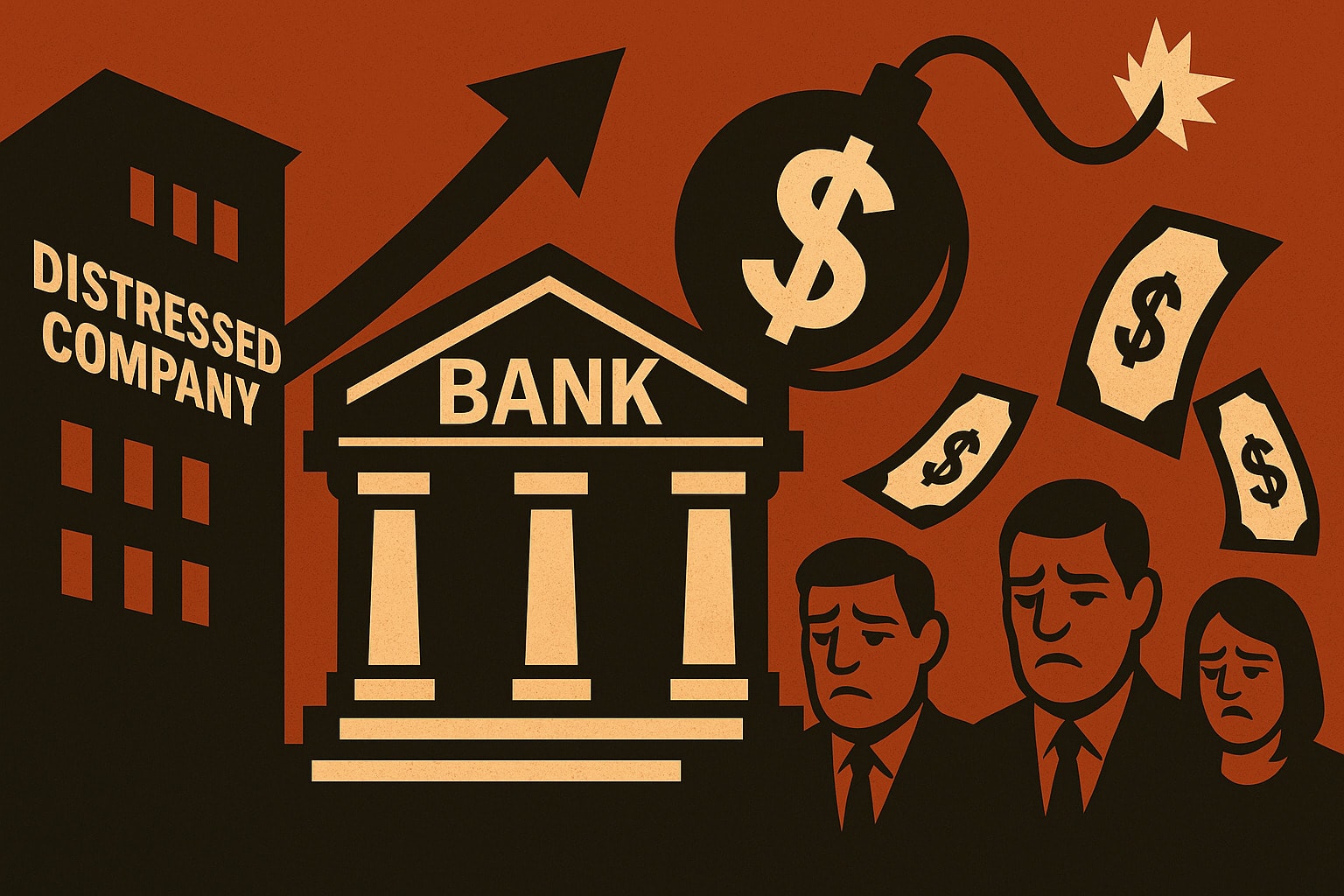
In recent years, a coordinated and highly destructive pattern has emerged in the U.S. capital markets, one that is gutting micro-cap public companies, robbing retail investors blind, and making a mockery of our regulatory disclosure framework.
These practices are structurally engineered shareholder annihilation, facilitated by a small group of hedge funds and other investors and enabled by investment banks and law firms who have turned SEC-compliant filings into weapons of mass dilution.
The Playbook: Explosive Warrant Structures
The mechanism is simple, yet devastating in its precision. A company in distress, often with a sub-$30 million market cap, is pitched a “lifeline” by one of a handful of toxic investment banks.
These banks pitch equity deals structured in a host of different ways, but usually with a single shared thread: 200%–300% warrant coverage on the equity. These warrants come with price-reset and full-ratchet anti-dilution protections, or embedded “alternative cashless exercise” (ACE) provisions. This means that if the company issues any equity, either to the initial investor or another third party, at a lower price than the initial exercise price of these warrants, the exercise price on these warrants fall to that lower price, and the number of warrants increases proportionally; in other words, they “explode”.
There is often no floor to how low the exercise price can fall. The company’s public share price inevitably collapses, because if those new warrants get exercised, there would be hundreds of millions, sometimes billions, of newly minted shares on the market. What’s worse, no capital actually flows to the company. These are cashless exercises.
Retail investors are often the last to find out the massive dilution, as public platforms like Yahoo Finance frequently display outdated share counts long after the damage is done.
Regulatory Responses: Too Little, Too Late
Nasdaq has taken action to threaten issuers with delisting should they consider taking such toxic paper. In the last few months, the exchange has issued a wave of delisting notices to issuers who did take this paper, invoking Rule 5101 (“Public Interest Concerns”) and Rule 5635(d) (“20% Rule Violation”).
Nasdaq made an example of companies like Palatin Technologies, Damon Inc., Greenlane Holdings, LogicMark, and Petros Pharmaceuticals, which have all been delisted immediately after pricing toxic terms like ACE warrants and exploding ratchets. Share prices have collapsed by as much as 99% post-financing, numbers that would trigger congressional hearings in any other asset class.
The SEC, by contrast, has taken a disclosure-only approach. As long as the toxic terms are spelled out in an S-1, the agency considers its job done. Whether the deal is fair, fiduciary, or ethical is, astonishingly, not their concern. There’s no enforcement, no intervention, and no investor protection. It’s full regulatory capture.
The Banks Know Exactly What They’re Doing
These banks aren’t unaware of the destruction they’re enabling. In fact, they go to great lengths to protect themselves legally. Many circulate confidential pitch decks that lay out worst-case dilution scenarios, not to warn issuers, but to immunize themselves legally. Their engagement letters include broad indemnities. Their legal counsel drafts the footnotes. And they collect fees up to 12%+, which only adds to their incentive to get the deal done at any cost.
Again, the banks aren’t even the investors in these deals. They are the ones pushing these predatory terms on behalf of their hedge fund clients.
Meanwhile, company directors are often left exposed. They sign off on these deals, usually out of desperation, sometimes out of ignorance, but the fiduciary liability remains. D&O insurance may not save them once class actions begin to fly.
The Real Victims: Shareholders and the Capital Markets
Let’s be clear: the damage here goes well beyond the companies themselves. Longtime investors are routinely crammed down from 100% ownership to 3% or less in a matter of days. The cost of re-listing on Nasdaq after a delisting is over $15 million, essentially a death sentence for any small-cap issuer.
This type of paper is driving retail and institutional capital out of micro-caps entirely. Instead, that capital is flowing into index funds, meme stocks, and even sports betting, where the odds of a fair game are actually better than what’s happening on Wall Street.
Toward a Better System: Tokenization and Clean Structures
There is a silver lining. The public’s growing disgust with this system is fueling interest in alternative capital markets, including tokenized securities, crowdfunding platforms, and clean cap table SPVs. Robinhood’s tokenization initiative is just the beginning. If regulators won’t protect issuers and investors, entrepreneurs will find a way around them.
But the most important takeaway for CEOs and boards is this: You must be vigilant from Day One. Toxic terms are never fixable once signed. No amount of disclosure can fix a deal designed to implode.
We are building a Hall of Shame.
Marcus Laun is a capital markets veteran and advocate for structural reform in micro-cap finance. Reach out if you are an issuer, investor, or regulator concerned with predatory public offerings.