The US Consumer as Global Superstar: Trump’s Tariff Policy Leverage
Joseph M Salvani
Published on April 9, 2025
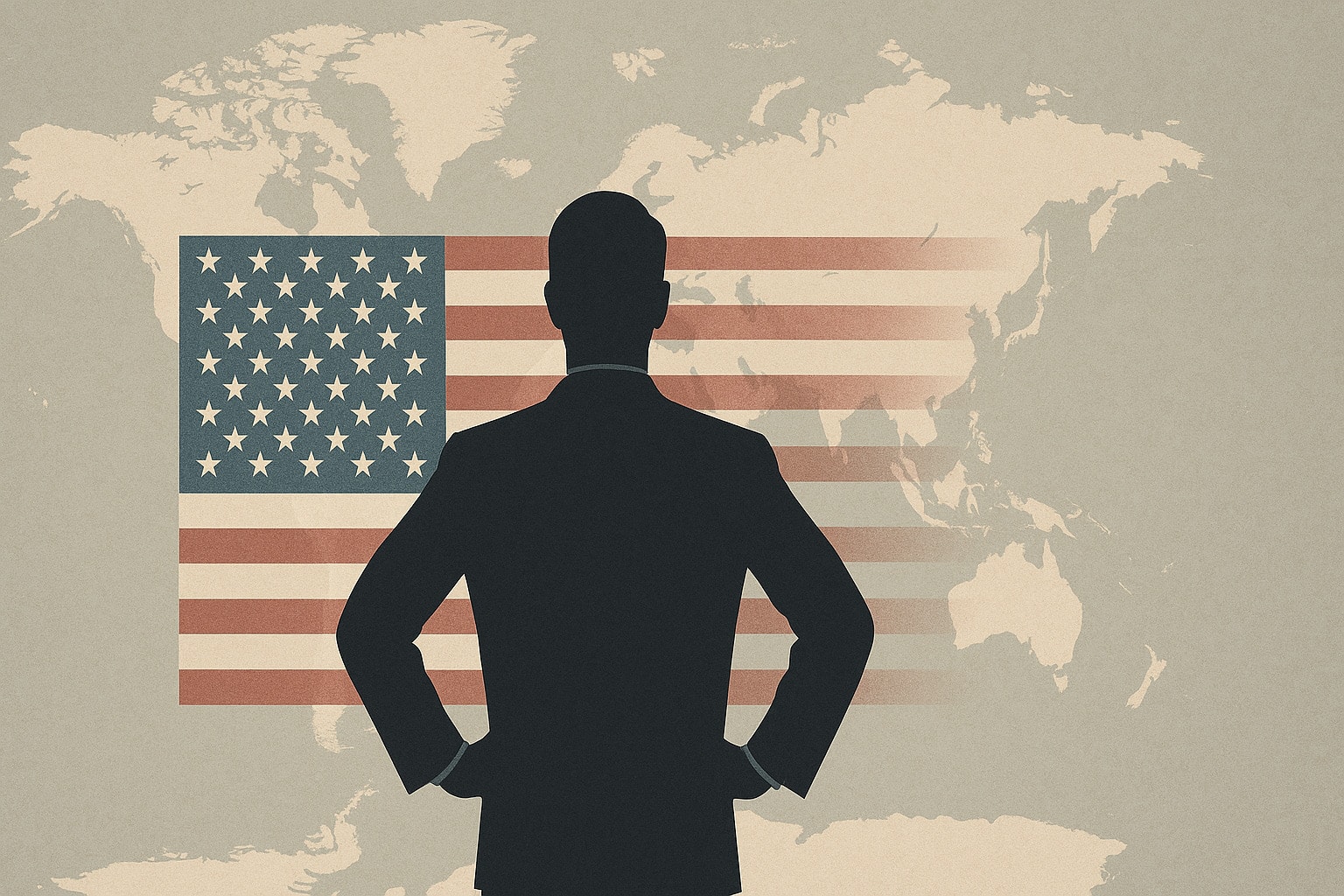
The United States consumer market stands unrivaled on the global stage, a superstar economic asset boasting unmatched scale, wealth, and accessibility. Representing nearly 30% of global consumption despite comprising only 4% of the global population, the US consumer is akin to elite talents such as Aaron Judge, LeBron James, or Taylor Swift—commanding premium fees for their unique and irreplaceable value. President Trump’s 2025 tariff initiative formalizes this superstar status by imposing fees on foreign nations seeking to access a market that's significantly cheaper and more efficient than any alternative.
The structural strengths of the US market leave foreign governments and corporations with no viable alternative but to absorb tariff costs through strategies such as subsidies, currency adjustments, or revised pricing, thereby ensuring continued access to America's indispensable consumers.
Economic Scale and Purchasing Power
The unrivaled advantages of the US consumer market start with sheer economic scale and purchasing power. In 2024, US household spending reached a staggering $20.5 trillion, dwarfing the European Union’s $10.1 trillion and China’s $6.8 trillion. With a median household income of $74,580, and disposable income levels two-and-a-half times greater than the EU average, the US consumer offers concentrated purchasing power that cannot be matched elsewhere. Furthermore, with 80% of US consumers residing in tightly interconnected urban regions supported by robust infrastructure, distribution costs are minimized, amplifying profitability.
Replicating the economic reach of the US consumer would require extraordinary effort and expense—approximately 2.3 European consumers at a 25% higher per capita cost or seven Chinese consumers at a 40% higher cost. Such stark comparisons underline why global exporters consistently prioritize the US as their most profitable and efficient destination.
Regulatory Efficiency and Market Homogeneity
Beyond scale, the US market’s homogeneity and regulatory efficiency dramatically reduce entry barriers for international businesses. Unlike the European Union's fragmented regulatory landscape, US federal standards administered by agencies like the FDA and FTC provide uniform guidelines nationwide, significantly streamlining market entry. Additionally, America’s cultural cohesion—marked by a single language and unified national media landscape through platforms such as TikTok, Fox News, and NFL broadcasts—allows brands to execute uniform, nationwide marketing strategies.
The highly developed digital infrastructure provided by giants like Amazon, Walmart, and Shopify further enhances foreign firms' capabilities, enabling them to reach 250 million American online shoppers with rapid delivery and lower logistics costs compared to markets in Asia or Europe. This efficiency accelerates profitability, justifying a premium for market entry.
The 2025 Tariff Framework: Monetizing Market Access
Trump’s 2025 tariff framework explicitly recognizes the US market as an economic superstar deserving premium compensation, much like the elite contracts seen in sports and entertainment. A universal baseline tariff of 10% serves as a standard entry fee, analogous to basic ticket revenue.
Additional reciprocal tariffs of up to 54% are levied on nations with significant trade imbalances, paralleling luxury taxes imposed on high-spending sports franchises. Sector-specific tariffs, such as a 25% fee on automotive imports, strategically prioritize domestic industries, much like sports salary caps designed to favor local talent.
Inevitability of Foreign Compliance
Foreign nations inevitably comply with these tariffs because alternatives are economically untenable. For instance, Japan and South Korea have allowed their currencies to depreciate by 8–12% to offset tariff costs, ensuring exporters remain competitive in the US market. China’s massive $140 billion manufacturing subsidy program counters American tariffs on automobiles, maintaining the competitiveness of Chinese electric vehicles.
Meanwhile, supply chain relocations have surged, notably demonstrated by Mexico’s 28% increase in foreign direct investment in early 2025, as businesses leverage tariff exemptions under the USMCA agreement. These strategic adaptations reflect a global acknowledgment of the US market's irreplaceable value.
Strategic Benefits for the United States
The strategic benefits for the United States from this tariff policy are substantial and multifaceted. Projected tariff revenues of approximately $3.8 trillion over the next decade offer the US fiscal flexibility with significant opportunities. Allocating half of this revenue toward debt reduction could significantly lower the national debt, trimming it by $1.9 trillion by 2035.
Alternatively, using the funds to provide middle-class households with a $2,000 annual tax credit could offset nearly all anticipated tariff-induced price increases. Investment into critical areas such as infrastructure or research and development in fields like artificial intelligence and semiconductors could stimulate GDP growth by an estimated 0.8% annually.
Reinforcing US Global Economic Leadership
This strategic use of the US consumer market reinforces America’s global economic leadership, compelling international competitors to innovate or concede market share. Already, the European Union has dropped its digital services tax demands in exchange for automobile tariff exemptions, and Vietnam has curtailed steel dumping practices to earn tariff reductions.
Much like free agency in sports, international competitors bid for access using concessions rather than direct cash payments, aligning their economic policies more closely with US interests.
Conclusion: A Sustainable Economic Strategy
In conclusion, President Trump’s tariff strategy highlights the unparalleled value of the US consumer market as a global superstar deserving premium compensation. Foreign nations willingly absorb these tariff costs—through currency shifts, subsidies, or supply chain restructuring—to maintain their presence in this indispensable market.
Consequently, the US harnesses its consumer advantage into a powerful, sustainable economic strategy that offers opportunities to reduce national debt, lower taxes, and invest strategically in future growth. In this recalibrated trade landscape, America's consumer base emerges not just as a critical economic force but as a strategic asset that will command—and continue to receive—its rightful premium.