Why the US Can Impose Tariffs and Still Remain Attractive to Trading Partners
Joseph M Salvani
Published on April 4, 2025
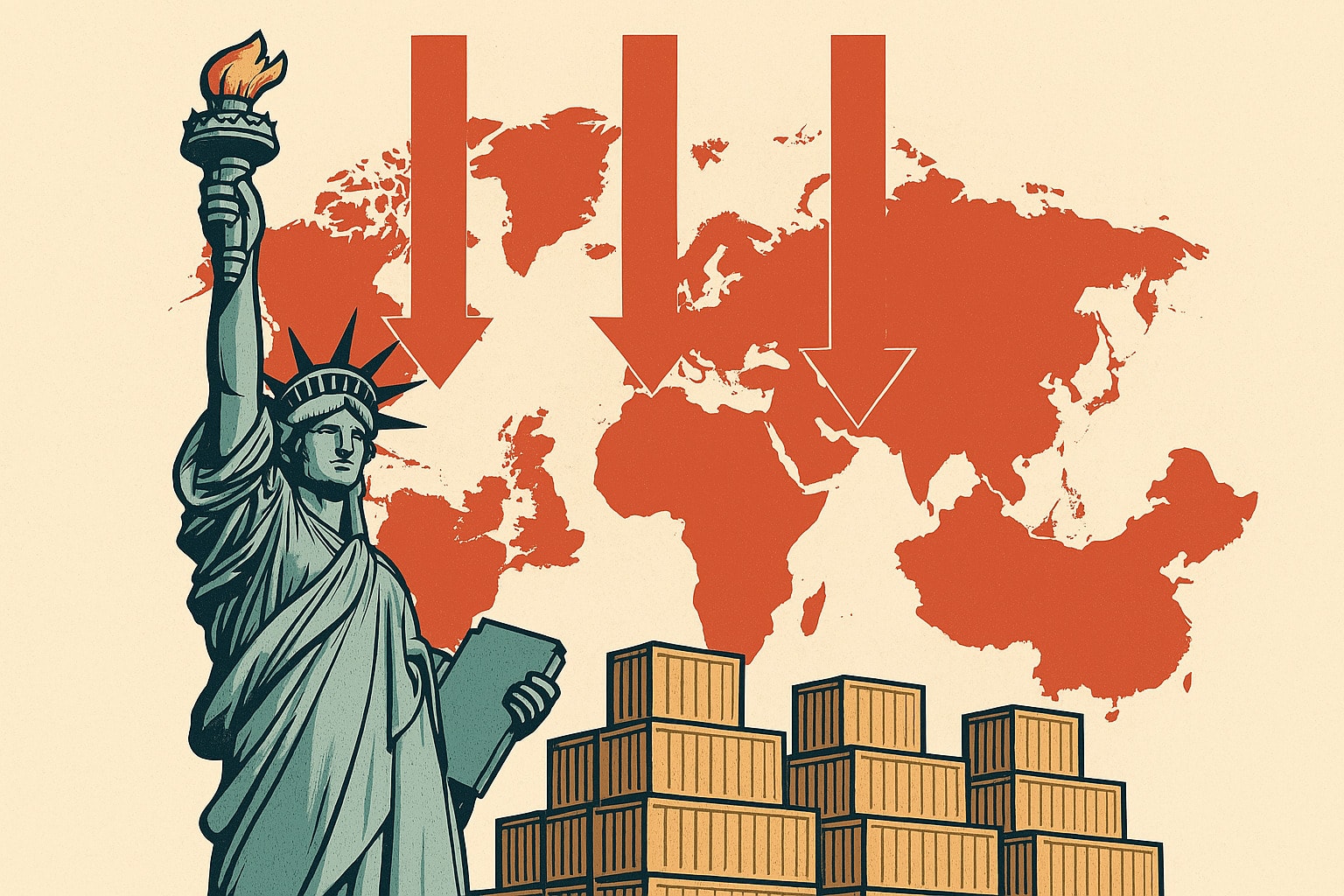
The United States occupies a unique and powerful position in global commerce, offering a massive, affluent, and accessible consumer base. Because of these economic strengths, the US can confidently impose tariffs on European, British, and Chinese companies among others, without significantly diminishing their incentive to sell in the American market.
To fully understand this advantage, it's important to analyze the relative costs foreign companies encounter when accessing consumers in the EU, UK, China, and how these compare to the US market.
Market Overview: Population and GDP
The attractiveness of markets often depends on their population and economic strength. By 2025, the European Union will have approximately 449 million people, the United Kingdom about 67 million, and China around 1.416 billion. Economically, these regions also hold significant power. The EU's GDP in 2023 is estimated at $17.82 trillion, accounting for 15.2% of the global economy. The UK has a GDP of approximately $3.07 trillion, representing 3.3% of global GDP. China, with a GDP of $19.37 trillion, contributes around 18.9% of global GDP.
However, the United States surpasses these regions economically, with a population of roughly 347 million and a GDP of $26.85 trillion, representing 30% of the global economy. This combination of economic dominance and purchasing power enhances America's attractiveness as a key consumer market.
Regional Cost Drivers
In the European Union, market fragmentation poses significant challenges, as the region comprises 27 countries, each with distinct languages, cultures, and regulatory frameworks. This complexity significantly increases costs related to localization, compliance, and advertising. CPM (cost per thousand impressions) advertising rates range between $9–$10 in major European economies such as Germany and France. Additionally, logistical complexities stemming from varied postal systems and customs procedures increase operational costs, making the EU market roughly 20–30% more expensive per consumer than the US.
The United Kingdom, while benefiting from market homogeneity due to its single language and centralized regulatory structure, still experiences slightly higher advertising costs compared to the EU, at approximately $10.85 CPM. Although logistics are simpler than in the EU, overall consumer access costs in the UK remain moderately higher than in the US.
China's market introduces unique and substantial complexities due to its vast geographical size, regional diversity, and stringent regulatory environment. These factors necessitate highly localized marketing strategies across different provinces, significantly raising marketing expenses. CPM rates range from $8–$12, with substantial upfront investments required for platform-specific advertising, such as WeChat. Furthermore, logistical infrastructure challenges, particularly in rural areas, elevate operational expenses. Consequently, reaching Chinese consumers can cost 20–50% more than targeting consumers in the US.
Advantages of the US Market
The United States stands out due to its market homogeneity, characterized by a single dominant language, uniform legal framework, and streamlined logistics systems. Additionally, the US boasts highly efficient digital advertising platforms, like Google Ads, offering unmatched return on investment and relatively lower costs per consumer reached. Combined with its economic power and significant consumer spending capacity, the US market offers unique and highly attractive advantages for global businesses.
Implications of Implementing Tariffs
Given these intrinsic advantages, the United States can effectively impose tariffs on companies from the EU, UK, and China without significantly deterring them from accessing its consumer market. Even with additional fees, European businesses, already accustomed to navigating fragmented domestic markets, will continue to pursue the unified and lucrative American market.
UK companies will similarly accept tariffs to retain access to the expansive and affluent American consumer base, recognizing that the fees do not outweigh the significant advantages provided by the US market. For Chinese companies, accustomed to navigating their complex domestic marketplace, tariffs will be viewed as an acceptable cost relative to the significant consumer opportunities present in America.
Moreover, when considering tariff differentials even before the Trump administration tariffs, the cost advantages become even more dramatic. The US could impose additional tariffs of 20–40% and remain 20–30% cheaper than these foreign markets. Trump’s tariff strategy highlights this competitive edge effectively demonstrating that these policies indeed hold merit.
Revenue generated from these tariffs could directly benefit Americans through investments in public programs, infrastructure improvements, or consumer subsidies, further strengthening the domestic economy.
Conclusion
America's economic strengths, including its substantial consumer market, regulatory homogeneity, and cost-efficient advertising infrastructure, enable it to impose tariffs on foreign companies without significantly reducing their willingness to engage with American consumers. This strategic advantage positions the US to capitalize on access fees effectively, boosting its economic interests while remaining an essential market for global commerce.